Compare Local Contractors for Building Plumbing Installation Projects
Compare local contractors for building plumbing installation by defining scope, verifying experience, and setting clear expectations to ensure a successful project.
Building plumbing installation is a critical component of new construction or major renovation projects, covering tasks such as planning and installing water supply lines, drain-wage systems, fixtures, and related piping. This work ensures that a property’s plumbing infrastructure functions effectively and complies with building standards. Proper installation involves understanding the layout requirements, selecting appropriate materials, and coordinating with other construction trades to ensure seamless integration within the overall building design.
Clearly defining the scope of plumbing installation work is essential for setting realistic expectations and avoiding misunderstandings. A well-documented scope should specify the types of fixtures to be installed, the locations of piping runs, and any special considerations such as access points or future expansion plans. Having these details in writing helps property owners and contractors stay aligned throughout the project, facilitating smoother communication and reducing the risk of costly revisions or delays later on.
Property owners can compare local service providers by assessing their experience with similar projects, reviewing their portfolio of completed work, and verifying their familiarity with local building codes and standards. It is also helpful to inquire about the contractors’ approach to project planning and their ability to provide detailed work descriptions. By gathering information on each contractor’s background and ensuring they understand the specific requirements of the job, property owners can make informed decisions when selecting a partner to handle their plumbing installation needs.
Compare local contractors by outlining project priorities, verifying experience, and clearly defining scope and expectations in writing.
- Compare Contractor Experience - Review the background and project history of local contractors to ensure relevant expertise.
- Define Project Scope Clearly - Outline specific plumbing installation needs to communicate expectations effectively.
- Verify Credentials and References - Check references and previous work to assess the reliability of service providers.
- Document Agreements in Writing - Ensure all project details, responsibilities, and expectations are documented for clarity.
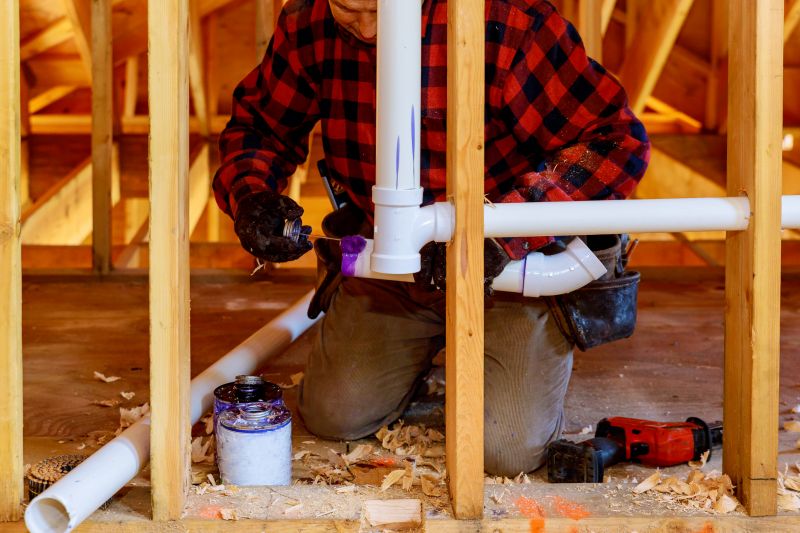
Clearly describe your plumbing project scope to effectively compare local contractors and set clear expectations in writing.
- Verify experience with building plumbing installation projects similar in scope and complexity. - Ensure service providers can demonstrate a history of successful plumbing installations in building structures.
- Define the scope of work clearly in writing to set expectations for materials, fixtures, and system components. - Clear documentation helps prevent misunderstandings and ensures all parties agree on project details.
- Check references or reviews to assess the quality and reliability of the service providers’ previous work. - Feedback from past clients can provide insights into the contractor’s performance and professionalism.
- Confirm that the service providers understand local building codes and regulations related to plumbing installation. - Compliance with local standards is essential for safe and legal plumbing systems.
- Discuss the installation process and techniques to ensure they align with best practices for building plumbing. - Understanding the methods used helps ensure durability and proper function of the plumbing system.
- Ensure that the scope of work, materials, and responsibilities are detailed in a written agreement before work begins. - A comprehensive contract helps protect all parties and provides a reference point throughout the project.
Use this to compare local contractors, clarify project scope, verify experience, and set clear expectations in writing.
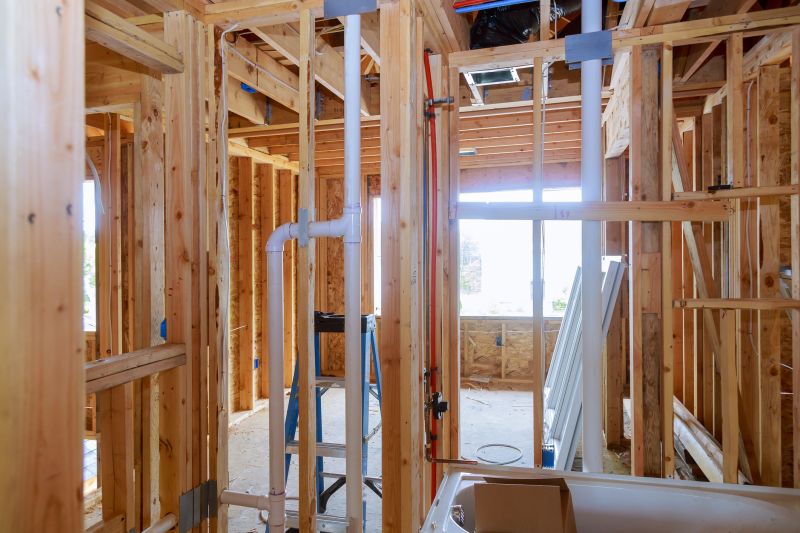
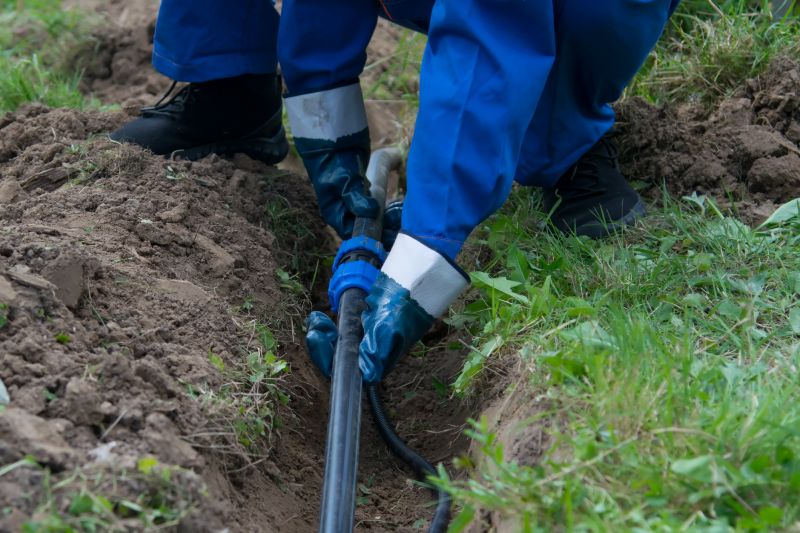
Learn how to compare local contractors, define project scope, verify experience, and set clear expectations in writing.
- Scope Definition - Clearly outline the specific plumbing installation tasks required for the building project.
- Experience Verification - Confirm that the service providers have relevant experience with similar plumbing systems and building types.
- Material Specifications - Specify the types and quality of plumbing materials to be used in the installation process.
- Work Standards - Establish expectations for workmanship, installation practices, and adherence to building codes in writing.
- Communication Protocols - Define how updates, questions, and changes will be communicated between the client and the service providers.
When selecting contractors for building plumbing installation, it’s important to consider their experience with similar projects. Homeowners should inquire about the types of building plumbing systems the service providers have worked on, including the scale and complexity of past projects. Contractors with a proven track record handling comparable installations are more likely to understand the unique challenges involved and deliver results that meet expectations. Reviewing their portfolio or asking for references related to similar work can provide insights into their familiarity with the specific requirements of the project.
A clear and detailed written scope of work is essential for effective project planning and setting mutual expectations. Homeowners should seek contractors who can provide a comprehensive outline of the tasks involved, materials to be used, and the standards to be followed. Having this information in writing helps prevent misunderstandings and ensures that all parties are aligned on what the project entails. A well-defined scope also serves as a reference point throughout the project, making it easier to verify that work progresses according to the agreed-upon plan.
Verification basics involve confirming that the contractor’s experience and credentials align with the project’s needs. Homeowners should verify the contractor’s history of similar installations, including the types of systems installed and the complexity of those projects. It’s also helpful to review any available documentation or references that attest to their ability to complete plumbing installations to a professional standard. While licensing and certification are not discussed here, ensuring that the contractor has a solid background in plumbing installation can help reduce the risk of issues arising during or after the work.
Evaluating options without focusing on prices involves assessing the quality of proposals and the professionalism of each service provider. Homeowners should compare how thoroughly each contractor has outlined the scope, the clarity of their communication, and their responsiveness to questions. It’s also useful to consider the level of detail provided in their written proposals, the consistency of their approach, and their understanding of the project’s specific needs. This approach helps identify service providers who are knowledgeable, reliable, and capable of delivering a successful plumbing installation that aligns with the project’s requirements.
Ask contractors to provide written scope details to ensure clear expectations and consistent project understanding.
- Experience and References - What specific experience do local contractors have with building plumbing installations similar to this project?
- Scope of Work - How do contractors define and document the scope of work to ensure all installation details are clear?
- Materials and Equipment - What types of materials and tools do local service providers plan to use for the plumbing installation?
- Project Management - How do contractors plan to coordinate the different phases of the plumbing installation process?
- Warranty and Guarantees - What warranties or guarantees do local contractors offer for their plumbing installation work?
What should be included in a scope of work for building plumbing installation? A detailed scope should specify the plumbing fixtures, piping materials, connections, and any specific installation requirements to ensure clarity between the property owner and the contractor.
How can I verify a contractor’s experience with plumbing installations? Review their past projects, ask for references, and confirm that they have relevant experience in similar building plumbing systems to ensure competence.
Why is it important to compare multiple contractors for plumbing installation? Comparing different service providers helps assess their expertise, work quality, and professionalism, leading to a more informed decision.
What questions should I ask a contractor before hiring for plumbing installation? Inquire about their previous experience, approach to project scope, methods for handling unexpected issues, and how they document project details in writing.
How can I ensure clear communication with a plumbing contractor? Establish expectations in writing, including scope, materials, and responsibilities, and maintain ongoing documentation throughout the project.
What factors are important when comparing local contractors for plumbing installation? Consider their experience, reputation, clarity of scope, ability to define expectations in writing, and professionalism in handling project details.
This page has provided an overview of what to consider when selecting contractors for building plumbing installation, including how to define the scope of work, verify relevant experience, and set clear expectations in writing. Understanding these key points can help in making informed decisions and ensuring that the project aligns with specific needs. To explore options and compare service providers in the area, using the quote form can be a helpful next step in connecting with qualified local contractors.
Taking the time to review and compare local contractors can assist in finding experienced service providers capable of handling building plumbing installation projects. Utilizing the quote form allows for a straightforward way to gather information and evaluate options side by side, helping to identify the right fit for the job.