Compare Local Contractors for New Construction Plumbing Projects
Compare local contractors to define project scope, verify experience, and set clear expectations in writing for your new construction plumbing needs.
New construction plumbing projects involve installing the entire plumbing system for a new building or significant renovation. This work typically covers planning and designing the layout of water supply lines, drain and waste systems, and venting. It also includes the installation of fixtures such as sinks, toilets, and appliances, ensuring that the plumbing infrastructure complies with building codes and functions efficiently. Because new construction plumbing sets the foundation for the property's water and waste management, it’s essential that the work is thorough and accurately executed to prevent issues down the line.
Defining the scope of work is a critical step in ensuring the project meets expectations. Clear scope details help property owners understand exactly what tasks are included, such as the extent of piping, fixture installation, and any necessary connections to existing systems. Having a written outline of the scope can prevent misunderstandings, reduce the risk of scope creep, and provide a basis for evaluating contractor proposals. When working with contractors, it’s important to verify their experience with similar projects and to ensure that the scope of work is explicitly documented before the work begins.
Property owners can compare local contractors by reviewing their experience with new construction plumbing projects, checking references, and evaluating the clarity of their proposals. It’s helpful to ask service providers about their process for defining scope and how they handle unexpected issues. Ensuring that contractors provide detailed written descriptions of the work, including materials and methods, allows for better comparison and informed decision-making. By taking the time to assess each contractor’s approach and expertise, property owners can find service providers who are well-suited to handle the complexity of new construction plumbing projects effectively.
Compare local contractors by outlining project priorities, verifying experience, and clearly defining scope and expectations in writing.
- Compare Contractor Experience - Review the backgrounds of local contractors to ensure relevant expertise in new construction plumbing projects.
- Define Project Scope Clearly - Outline specific plumbing needs and expectations to facilitate accurate proposals and effective communication.
- Verify Work History and References - Check past projects and references to assess the reliability and quality of local service providers.
- Document Agreements in Writing - Ensure all project details, responsibilities, and expectations are documented to prevent misunderstandings.
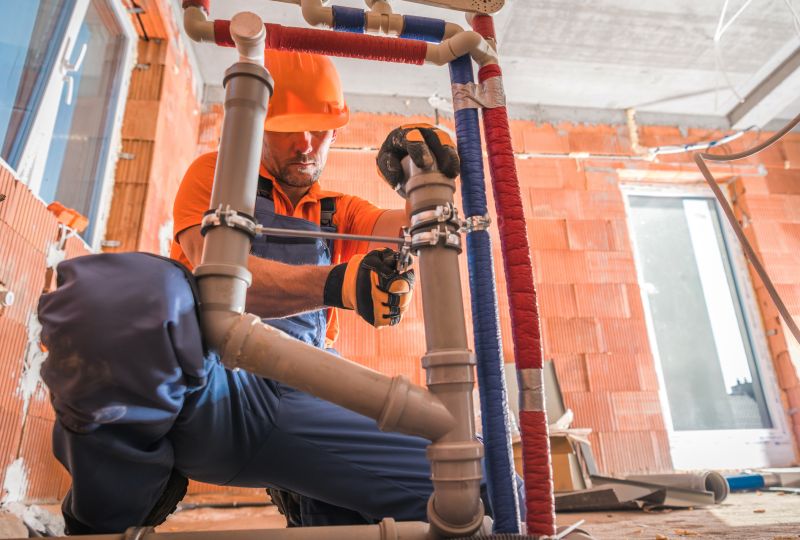
Clearly describe your new construction plumbing project to compare local contractors, verify experience, and set expectations in writing.
- Verify experience with new construction plumbing projects to ensure familiarity with building codes and standards. - Assess the contractor’s portfolio or references for relevant past work in new construction settings.
- Define the scope of work clearly in writing to prevent misunderstandings and ensure all plumbing needs are addressed. - Confirm that the scope includes installation details, materials, and any specialized plumbing systems.
- Check that the service providers are knowledgeable about local building codes and permit requirements for new construction projects. - Ensure they can assist with compliance and proper documentation during the project.
- Compare multiple local contractors to evaluate their expertise, experience, and approach to new construction plumbing work. - Look for detailed proposals that outline the work plan and materials to be used.
- Request detailed written estimates that specify the work included, materials, and project expectations for transparency. - Avoid vague or incomplete documentation to facilitate clear communication and accountability.
- Ensure the contractor can coordinate with other construction trades to integrate plumbing seamlessly into the overall project. - Confirm they understand the importance of timing and sequencing in new construction plumbing installation.
Compare local contractors’ experience and clarify project scope to ensure successful new construction plumbing.
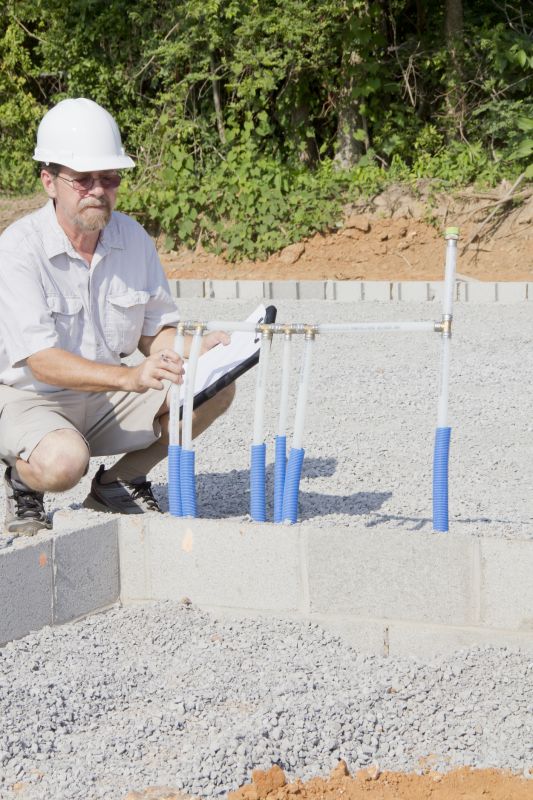
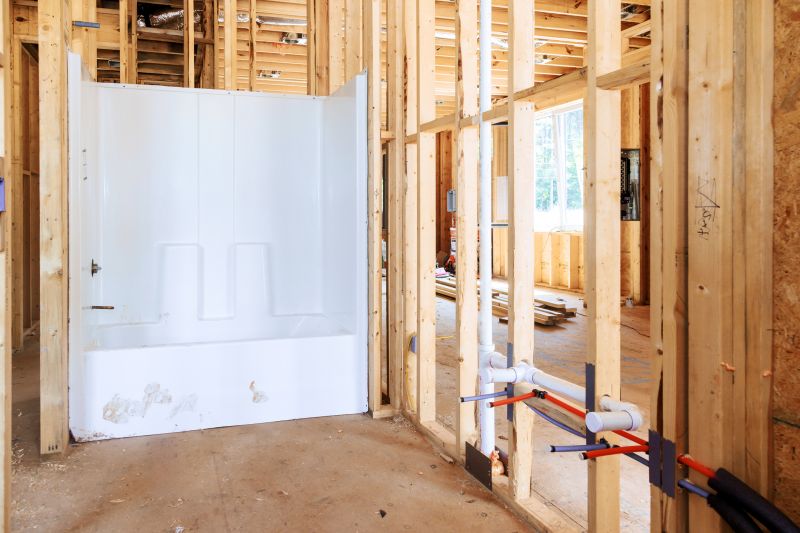
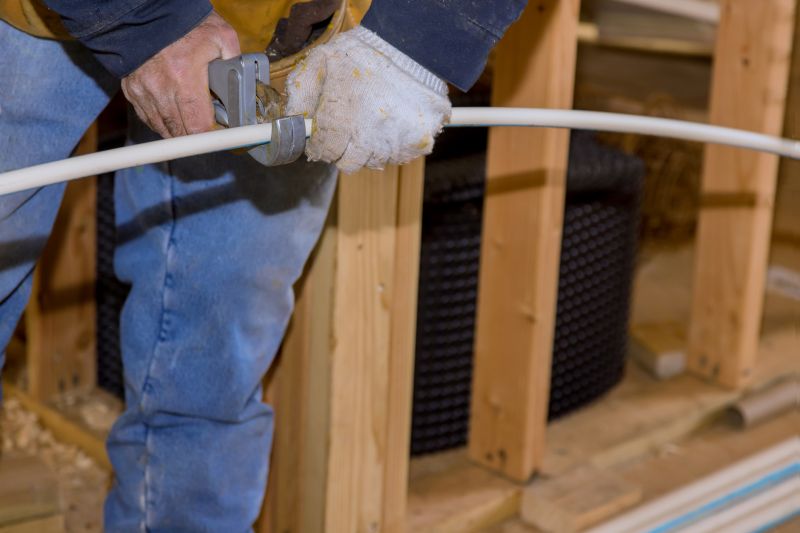
Use clear, consistent comparison criteria to evaluate local contractors’ scope, experience, and written expectations for new construction plumbing projects.
- Define project scope - clearly outline the specific plumbing systems and fixtures required for the new construction.
- Assess experience and expertise - verify that local contractors have relevant experience with similar new build plumbing projects.
- Establish detailed plans and specifications - ensure all plumbing designs, layouts, and materials are documented in writing.
- Identify required permits and codes - confirm that the scope complies with local building codes and permit requirements.
- Compare contractor proposals - review scope descriptions, included services, and project approach to evaluate consistency and thoroughness.
When evaluating contractors for new construction plumbing, it's important to consider their experience with similar projects. Homeowners should inquire about the types of new builds the service providers have worked on, paying attention to the size and scope of those projects. Contractors with a history of handling comparable installations are more likely to understand the unique requirements and challenges involved, ensuring that the plumbing system is integrated smoothly into the overall construction process.
A clear and detailed written scope of work is essential for effective communication and project planning. Homeowners should seek service providers who can articulate the specific tasks involved, including the materials to be used, the extent of the plumbing system, and any particular considerations for the site. Having these details documented helps ensure everyone is aligned on expectations and reduces the risk of misunderstandings or omissions during the project.
Verification basics involve understanding how to assess a contractor’s qualifications and track record. Homeowners can verify experience by requesting references from previous clients or reviewing portfolios of completed projects. It’s also helpful to ask about the contractor’s familiarity with local building codes and standards relevant to new construction plumbing. While licensing and certifications are not the focus here, gathering evidence of a proven history of successful projects can provide confidence in the service provider’s capabilities.
When comparing options, homeowners should focus on how well each contractor’s approach aligns with the project’s needs. It’s useful to review the scope of work, verify experience with similar projects, and ensure that all expectations are clearly documented in writing. By emphasizing these factors, homeowners can make informed decisions that lead to a smooth, well-coordinated plumbing installation, connecting with service providers who have the expertise and clarity needed for a successful new construction project.
Ask contractors to provide written scope details to ensure clear expectations and consistent project understanding.
- Experience with New Construction Projects - What experience do local contractors have with projects similar in scope and complexity?
- Scope of Work Clarification - How do contractors define and document the specific plumbing work included in the project?
- Comparison of Services - What services and materials do different local service providers typically include in their scope?
- Communication and Expectations - How do contractors ensure clear communication about project details and expectations in writing?
- Qualifications and References - Can contractors provide references or examples of past new construction plumbing work to verify their experience?
How can I compare contractors for new construction plumbing? To compare local contractors, review their experience, verify references, and assess their scope of work to ensure they meet project requirements.
What should I consider when defining the scope of a plumbing project? Clearly outline the plumbing fixtures, pipe installations, and any special requirements to help contractors provide accurate proposals and avoid misunderstandings.
How do I verify a contractor’s experience with new construction plumbing? Ask for details about their previous projects, check references, and review their portfolio to ensure they have relevant experience in similar builds.
Why is it important to have written agreements with contractors? Written agreements help set clear expectations, define the scope of work, and serve as a reference for project details throughout the construction process.
What questions should I ask when evaluating potential contractors? Inquire about their experience, approach to project management, familiarity with building codes, and how they handle unexpected issues during installation.
How can I ensure a contractor understands my project needs? Communicate your project scope in detail, ask for their input, and confirm that all expectations are documented in writing before work begins.
Understanding the key steps in selecting a contractor for new construction plumbing can help ensure the project meets expectations. Visitors learned how to clearly define the scope of work, verify the experience of local contractors, and set clear expectations in writing. This approach supports making informed comparisons among service providers and finding the right fit for the specific needs of the project.
To explore options and find the best match for new construction plumbing needs, using the quote form can facilitate connecting with qualified local contractors. Comparing different service providers allows for a better understanding of available expertise and services, helping to make confident decisions in planning the project.